
Why Eating More Protein is Important for Your Health and Weight Loss Goals
Why Eating More Protein is Important for Your Health and Weight Loss Goals
December 6, 2024 | In Nutrition |
If you’ve ever wondered why everyone’s raving about protein, here’s the deal: protein isn’t just another buzzword—it’s the foundation of everything your body needs to thrive. Whether your goal is to lose fat, maintain muscle, or just feel your best, a high-protein diet can make a huge difference. Let’s break down why.
Why Protein is So Important
Protein is like the building blocks your body uses to stay strong and functional. It plays a role in:
- Building and repairing muscle and bones: Whether you’ve hit the gym or taken a tumble, protein helps your body recover.
- Keeping your energy up: Protein powers you through the day, alongside carbs and fats.
- Balancing your hormones: From insulin to estrogen, protein is key for keeping things running smoothly.
- Strengthening your hair, skin, and nails: Yep, protein’s even got your beauty game covered.
Since your body doesn’t store protein the way it does carbs or fat, you need to get enough of it daily—and especially if you’re trying to lose weight.
How Protein Helps with Fat Loss
Losing weight can feel like a puzzle, but here’s where protein steps in to make things easier.
1. Protein Helps You Eat Less Without Feeling Hungry
A big reason people struggle with weight loss is hunger. That’s where protein shines:
- It keeps you full longer: Protein takes longer to digest than carbs or fat, which means you stay satisfied for hours after a high-protein meal.
- It curbs cravings: By stabilising your blood sugar levels, protein helps prevent those annoying sugar crashes that make you reach for snacks.
2. Protein Protects Your Muscle While You Lose Fat
When you’re reducing your intake and losing weight, your body doesn’t just burn fat—it can also break down muscle for energy. Eating enough protein prevents this, so you lose fat while holding onto your muscle. Why does this matter?
- More muscle = more calories burned: Even when you’re resting, muscle uses more energy than fat.
- A faster metabolism: Keeping your muscle means your body burns calories more efficiently, which makes weight loss more sustainable.
How Much Protein Do You Actually Need?
A good target for weight loss is 1.2-1.6g of protein per kilogram of adjusted body weight. Don’t worry, this isn’t as complicated as it sounds:
- Calculate your adjusted body weight: Let’s say you’re 170cm tall and weigh 100kg. Your adjusted body weight is about 77kg.
- Find your daily protein target: Multiply your adjusted body weight by 1.2 to 1.6. In this case, that’s 92-123g of protein per day.
Think of it this way: if you aim for 30g of protein per meal and add a couple of high-protein snacks, you’re all set.
What Does a High-Protein Diet Look Like?
You don’t need to overthink it or obsessively count calories. A simple way to balance your meals is using the Healthy Plate Model:
- 30% protein (chicken, fish, tofu, or eggs)
- 50% non-starchy veggies (broccoli, spinach, or zucchini)
- 20% whole grains or starchy veggies (brown rice or sweet potato)
- A touch of healthy fats (like olive oil or avocado)
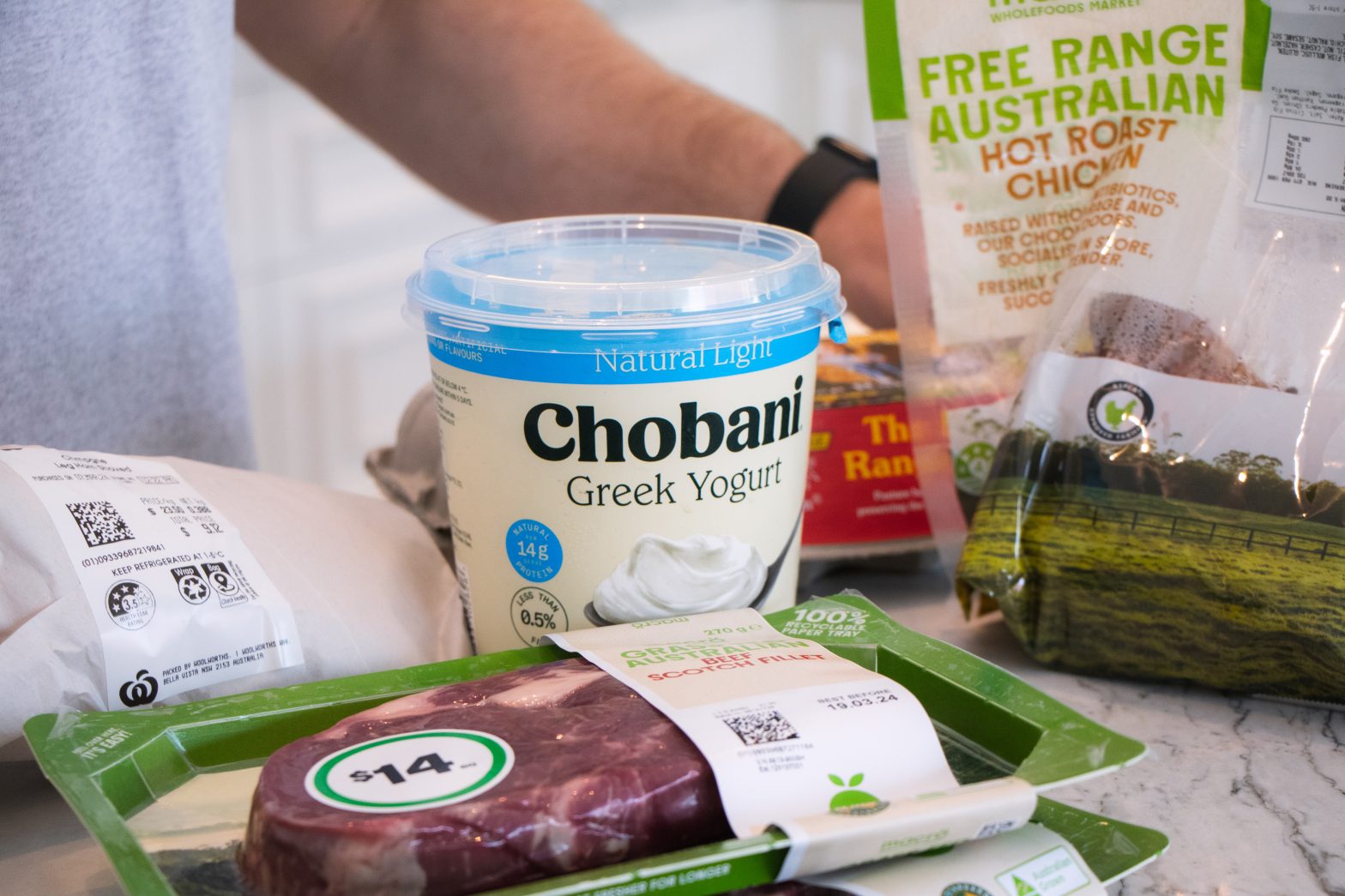
For snacks, think Greek yogurt, boiled eggs, or a handful of nuts. It’s all about finding what works for you and keeping it simple.
If you’re still struggling, protein powder can be a convenient addition to your diet, helping you meet your nutritional targets.
Why Protein Matters Beyond Weight Loss
A high-protein diet isn’t just for shedding kilos. It’s also about:
- Aging gracefully: Protein helps you hold onto muscle as you age, which is key for staying strong and active.
- Feeling energised: Protein gives your body the fuel it needs to tackle your day.
- Improving health overall: More muscle and less fat lead to better long-term health outcomes.
Small Changes, Big Impact
Adding more protein to your diet doesn’t mean you have to overhaul your life. Start by swapping in high-protein foods you enjoy and building meals that keep you full and satisfied. Over time, those small changes will add up to big results.
References
