
training
Why Just Doing More Cardio as You Get Older, Stops Working
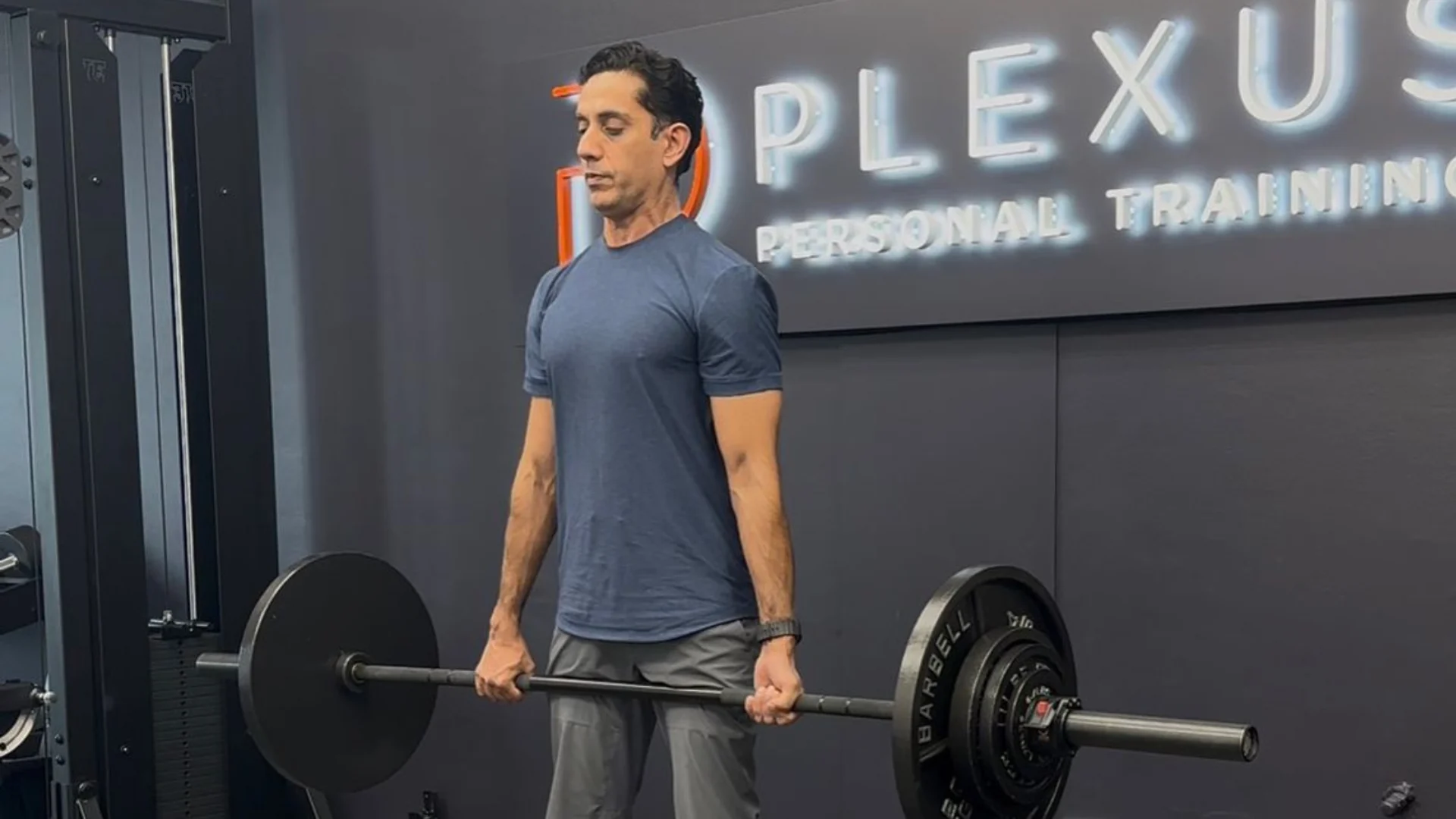
For a lot of people, doing more cardio as you get older becomes the default when you see your body changing in ways you dislike.
The thoughts often run a little like this…
Want to lose weight? Do more cardio.
Feel unfit? Do more cardio.
Had a few weeks off? Just get back on the treadmill.
And to be fair – when you’re younger, that can work pretty well for losing a few kilos.
But somewhere in your late 30s or 40s, something shifts. You can do the same runs, the same classes, even increase the time… and the results just don’t stack up like they used to. Weight loss slows. You feel more tired. Niggles pop up. You’re working hard, but not really moving forward.
That’s usually when people start wondering if they just need to push harder.
Cardio Alone Isn’t The Problem.
Cardio isn’t the problem.
Relying on cardio alone is.
As you get older, your body changes. If your training doesn’t change with it, progress gets harder – no matter how disciplined you are.
Why More Cardio Stops Moving the Needle
From your 30s onwards, you naturally lose muscle if you’re not actively maintaining it. Cardio burns calories, which is fine, but it doesn’t do much to preserve or build muscle. Over time, that matters.
Less muscle generally means:
- Lower metabolic output
- Less joint support
- Reduced strength
- More fatigue from the same workload
So you end up in this cycle where you try to burn more by doing more, but you’re slowly losing the thing that actually helps your body stay strong and resilient.
On top of that, recovery isn’t what it used to be. Long cardio sessions stacked on busy work weeks and poor sleep can just leave you feeling flat.
What Cardio Is Good For
Cardio absolutely has a place.
It’s good for:
- Heart health
- General fitness
- Stress management
- Energy levels
The issue isn’t cardio. The issue is using it as your only tool.
If cardio is 90% of your training, you’re missing a major piece of the puzzle.
Why Strength Changes the Equation
Strength training does something cardio doesn’t.
It tells your body: “Keep this muscle. Keep this strength.”
That matters as you age. Stronger muscles support joints. They help you move better. They make everyday life easier – carrying groceries, walking hills, picking up kids, playing sport, travelling.
And interestingly, when people add structured strength work in, they often find their cardio actually improves as well. They feel more powerful, more stable, and less beaten up.
Why “More” Usually Backfires
When results stall, most people add volume.
More sessions. Longer sessions. Harder sessions.
But more isn’t automatically better. Especially when recovery, sleep, and stress are already stretched.
For most busy adults, the answer isn’t doing more. It’s doing the right things in the right balance.
What Tends to Work Better
A more effective setup as you get older usually looks like:
- Structured strength training each week
- Moderate cardio to support heart health
- Proper recovery between sessions
- A plan that fits your actual life
That’s it. Nothing extreme.
TLDR
If you enjoy cardio, keep it. Just don’t expect it to solve everything on its own.
As you get older, strength becomes less optional and more essential. Not for aesthetics. For capability.
At Plexus, we focus heavily on strength first, then layer conditioning in appropriately. It’s simple, structured, and built around busy people who don’t have time to waste.