
training
Is Strength Training After 40 Safe?
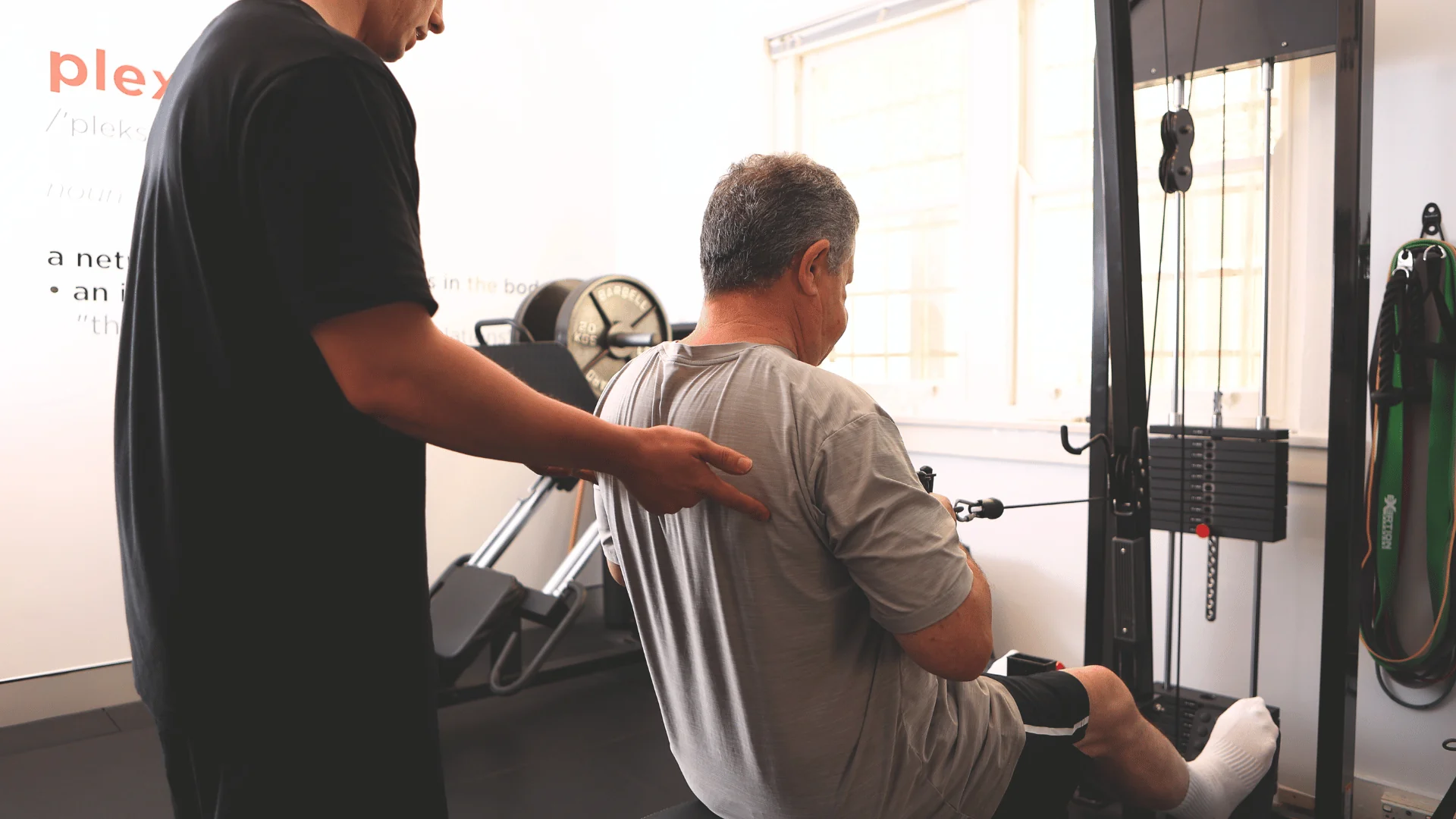
If you’ve ever thought you should probably get stronger but worry about hurting yourself, you’re not alone. For many people over 40, strength training can feel risky or unnecessary, especially if past attempts at exercise led to soreness or injury. With so much conflicting advice online, it’s reasonable to wonder whether lifting weights is actually safe at this stage of life.
Understanding what makes strength training safe – and what makes it risky – is the key to making the right decision.
The Short Answer
Yes, strength training is safe after 40 when it’s approached correctly. The risk doesn’t come from lifting weights themselves. It usually comes from poor technique, rushed progression, or following generic programs that aren’t designed for your body or lifestyle. With appropriate guidance and structure, strength training can be adapted to suit people at any stage of life.
Why Strength Training Matters More As You Get Older
As we age, several changes tend to occur if they’re not addressed. Muscle mass gradually declines, joints become less tolerant of uncontrolled movement, recovery slows, and long periods of sitting can lead to stiffness and discomfort. Strength training helps counter these changes by loading muscles and joints in a controlled way, supporting strength, balance, and bone density.
At this stage of life, strength training isn’t about chasing numbers or performance. It’s about maintaining everyday capability and confidence in how your body moves.
What Actually Makes Strength Training Unsafe
Strength training itself is rarely the problem. Issues usually arise when programs are poorly matched to the individual. Common risk factors include:
- Exercises that don’t suit current capacity
- Increasing loads too quickly
- Technique that isn’t monitored or corrected
- Training through injuries instead of addressing them
- Prioritising intensity over control
These problems are more common in busy gym environments where people are left to train without clear structure or feedback.
Technique and Progression Matter More Than Age
Age alone doesn’t determine whether strength training is safe. Technique, load management, and progression matter far more. A well-coached movement using appropriate resistance is significantly safer than poorly controlled exercise, regardless of age. This is why personalised programming and ongoing coaching become increasingly valuable after 40.
Strength Training and Injury Prevention
When done properly, strength training often reduces injury risk rather than increasing it. Stronger muscles support joints, improve stability and coordination, and reduce strain on areas such as the lower back, hips, and knees. Many people begin strength training specifically to protect against injuries and stay confident in daily movement.
What a Safe Approach Looks Like
A sensible strength training approach after 40 typically includes:
- An initial assessment before loading
- Controlled, intentional movement
- Gradual progression over time
- Adequate recovery
- Flexibility to adjust based on how you feel
It’s not about doing more exercise. It’s about doing the right amount, consistently.
Final Thoughts
Strength training after 40 isn’t about pushing limits unnecessarily. It’s about protecting your future self and maintaining strength, confidence, and independence as life gets fuller. If you’re unsure where to start, working with experienced professionals who prioritise technique and individual needs can remove uncertainty and reduce unnecessary risk.
At Plexus, we take a calm, structured approach to strength training in a private setting, designed to fit around real life rather than take it over.