
lifestyle
How Exercise Can Improve Your Quality of Life
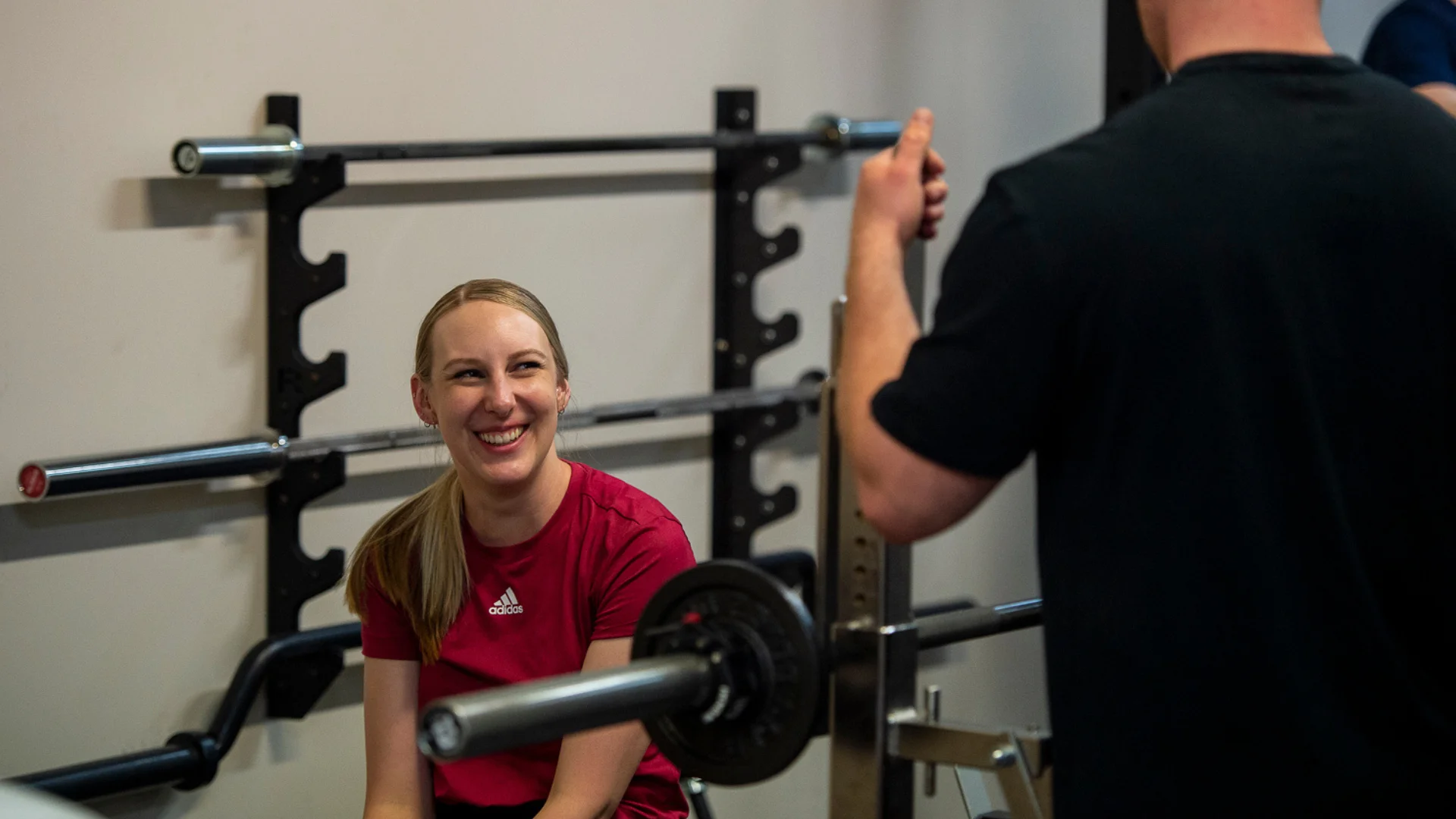
When most people think of exercise, they picture the physical benefits: building muscle, getting in shape for summer, or hitting personal records at the gym. But the truth is, exercise does so much more than just shape our bodies. Regular physical activity can have a profound impact on your overall well-being, from boosting your mood to building stronger social connections. Here’s how exercise can elevate your quality of life.
Your Body Will Thank You
Let’s start with the basics – exercise is fantastic for your physical health. It improves everything from strength to flexibility and plays a key role in managing weight. Regular exercise strengthens your heart by making it more efficient at pumping blood, which means better oxygen delivery throughout the body. This, in turn, supports overall health.
Exercise also helps you maintain a healthy weight by burning calories and balancing the energy you consume with what you expend. This is particularly important for preventing obesity and promoting long-term health. And as we age, strength training becomes essential – without it, we naturally lose muscle mass and gain fat. Incorporating resistance exercises can help slow this process and ensure your muscles remain strong and functional.
It’s not just muscles that benefit – exercise also helps strengthen bones, especially through weight-bearing activities. Strong bones are crucial for preventing conditions like osteoporosis and maintaining mobility in later life.
Exercise for a Healthier Mind
The benefits of exercise go beyond physical health – it’s great for your mental well-being too. When you work out, your brain releases endorphins and serotonin, which naturally lift your mood. This is one reason why exercise can be such an effective way to combat stress and anxiety. Regular physical activity helps your body better cope with stress, improving your overall resilience.
For those managing depression, exercise can offer an essential tool. It creates structure in your routine and provides a natural mood boost. Plus, it introduces opportunities for social interaction, which can help combat feelings of isolation.
Exercise also plays a role in brain health. As we age, cognitive decline is a natural part of life, but regular physical activity can slow this process. It supports neuroplasticity – the brain’s ability to reorganise itself – helping with memory, focus, and overall cognitive function.
Another benefit? Exercise improves sleep quality. Whether you’re struggling with falling asleep or staying asleep, moderate physical activity can help you enjoy a more restful night, leaving you feeling more energised and mentally alert during the day.
More Energy for Your Day
While it might sound counterintuitive, exercise can actually boost your energy levels. Physical activity improves circulation, which means more oxygen and nutrients are delivered to your tissues. It also reduces feelings of fatigue and mental fog, so you’ll find yourself feeling more focused and ready to tackle your day.
Building Social Connections
Exercise doesn’t have to be a solitary activity – it’s also a great way to meet new people and strengthen social bonds. Whether you’re joining a fitness class, taking up a sport, or just going for a walk in the park, being active offers plenty of opportunities for social interaction. Engaging in physical activities with others can lead to new friendships and a greater sense of community, which has a positive impact on your overall well-being.
Boosting Confidence and Self-Perception
When you exercise regularly, you’ll notice improvements in your physical capabilities – whether it’s increased strength, flexibility, or endurance. These changes can boost your confidence and improve your body image. It’s not about achieving a “perfect” body, but about feeling stronger, healthier, and more capable. These improvements in self-perception have a ripple effect on your mental health, contributing to a more positive outlook on life.
Managing Chronic Conditions
Exercise is also key in managing many chronic health conditions. For those with diabetes, regular activity helps control blood sugar levels and supports heart health. Low-impact exercises and resistance training can alleviate joint pain for those with arthritis, making it easier to stay active. Additionally, exercise strengthens the heart, which helps lower blood pressure, making it an essential tool for managing high blood pressure.
The Satisfaction of Achievement
There’s a unique sense of satisfaction that comes from setting and achieving goals, and exercise is a great way to experience this. Whether you’re working towards building strength, improving flexibility, or reaching a personal best, the sense of accomplishment when you achieve your goals is incredibly rewarding. Looking back on your progress serves as a reminder of how much you’re capable of, and it can inspire you to keep pushing forward.
Exercise Is More Than Just a Workout
Exercise offers far more than just physical benefits. It can improve your mood, boost your confidence, help you sleep better, and connect you with others. It’s a powerful tool for enhancing both your mental and physical well-being. Whether you’re managing a chronic condition, working towards fitness goals, or simply looking to improve your quality of life, regular physical activity is key. So, why not get moving today and start reaping the rewards?
References
[1] Exercise and Sleep (2023). Sleep Foundation. Available at: https://www.sleepfoundation.org/physical-activity/exercise-and-sleep (Accessed: 27 February 2025).
[2] Konopka, L.M. (2015). “How Exercise Influences the Brain: A Neuroscience Perspective,” Croatian Medical Journal, 56(2), pp. 169–171. doi:10.3325/cmj.2015.56.169.
[3] Depression and Anxiety: Exercise Eases Symptoms (2023). Mayo Clinic. Available at: https://www.mayoclinic.org/diseases-conditions/depression/in-depth/depression-and-exercise/art-20046495 (Accessed: 27 February 2025).
[4] Stress Management (2023). Mayo Clinic. Available at: https://www.mayoclinic.org/tests-procedures/stress-management/about/pac-20384898 (Accessed: 27 February 2025).
[5] The Importance of Exercise When You Have Diabetes (2023). Harvard Health. Available at: https://www.health.harvard.edu/staying-healthy/the-importance-of-exercise-when-you-have-diabetes (Accessed: 04 March 2025).
[6] The Transformative Impact of Exercise on Self-Esteem (no date). Florida Atlantic University. Available at: https://www.fau.edu/thrive/students/thrive-thursdays/physicalheallth/ (Accessed: 04 March 2025).
[7] Role of Exercise in Arthritis Management (2018). Johns Hopkins Arthritis Center. Available at: https://www.hopkinsarthritis.org/patient-corner/disease-management/role-of-exercise-in-arthritis-management/#:~:text=Physical%20activity%20is%20essential%20to,control%20joint%20swelling%20and%20pain (Accessed: 04 March 2025).
[8] Exercise and Mental Health (n.d.). Better Health Victoria. Available at: https://www.betterhealth.vic.gov.au/health/healthyliving/exercise-and-mental-health