
nutrition
How to Eat Healthier Without Giving Up Your Favourite Foods
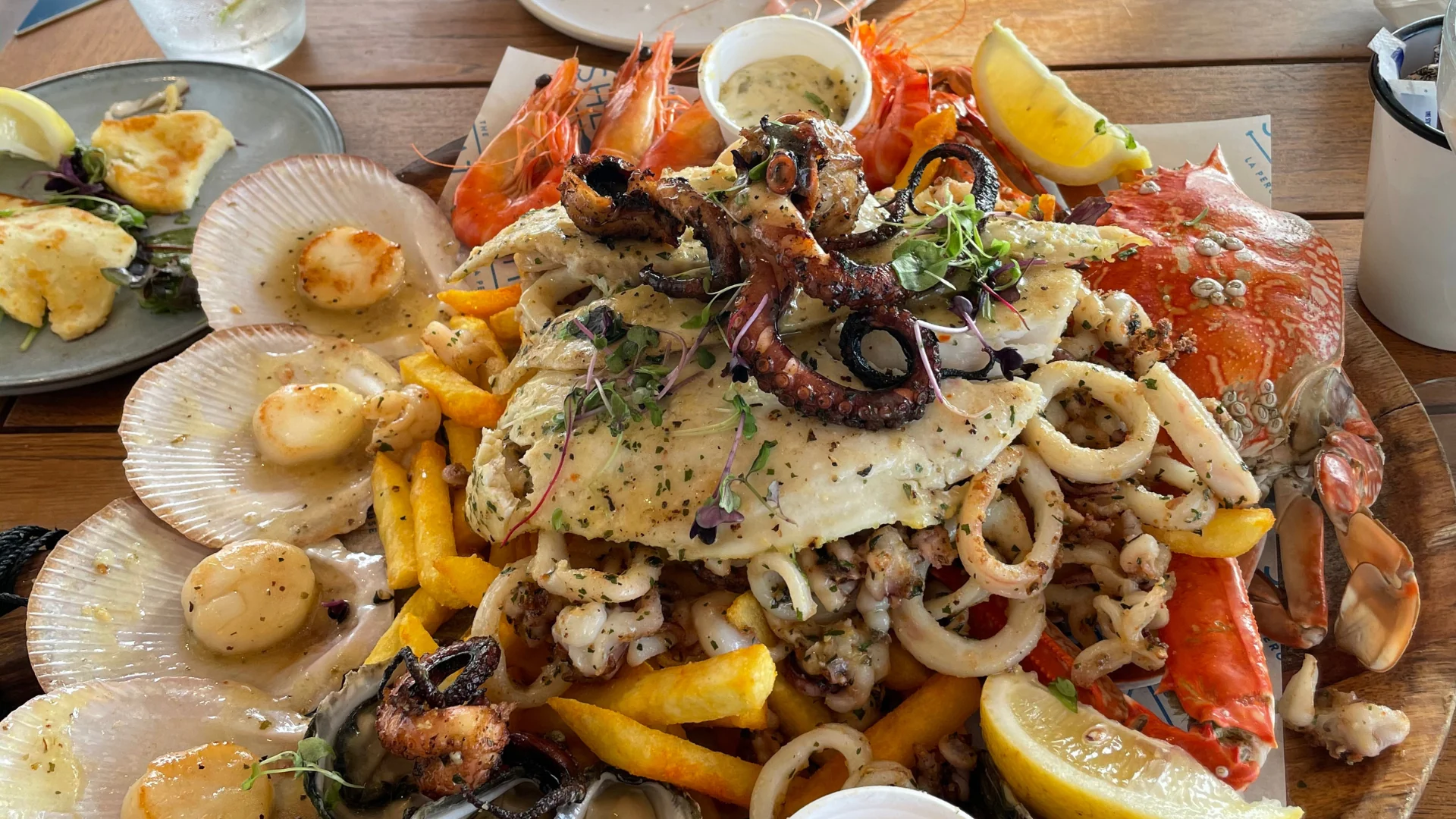
Trying to eat healthier often brings up the fear of giving up all the foods you love – the Friday night pizza, the weekend wine and cheese, or your daily coffee and chocolate square.
The good news? Eating healthier doesn’t mean cutting out your favourites. It’s about balance, smarter swaps, and long-term consistency. In fact, making small sustainable changes is far more effective than going “all-or-nothing” and burning out.
At Plexus Personal Training, we’ve helped hundreds of busy people on Sydney’s North Shore transform their health and energy – not by restricting, but by building healthier habits around real life. Here’s how you can do it too.
1. Redefine What “Healthy Eating” Means
Most people think healthy eating means bland salads and boiled chicken. That mindset makes it almost impossible to stick with.
Instead, think of eating healthier as:
- Adding more nutrients (not just cutting things out)
- Improving quality (choosing less processed versions of the foods you love)
- Creating balance (pairing treats with nourishing meals)
This approach removes guilt from eating and makes healthy choices feel normal, not restrictive. You’re not banning foods – you’re simply building a stronger foundation around them.
2. Build a Balanced Base – and Layer Treats On Top
Here’s the golden rule: let 80–90% of your meals be nourishing, and 10–20% be purely for enjoyment.
This 80/20 mindset gives you the best of both worlds – progress and pleasure. Start by focusing on these core building blocks:
- Fruits and Vegetables: Aim for five serves a day, with plenty of colour. Each colour offers unique antioxidants and vitamins that help your body thrive.
- Whole Grains: Base meals on high-fibre carbs like wholemeal pasta, brown rice, oats and wholegrain bread to keep energy steady.
- Lean Proteins: Include eggs, lean poultry, fish, tofu, beans or lentils at each main meal to support muscle and recovery.
- Healthy Fats: Add avocado, nuts, seeds and olive oil for heart health, hormone balance and long-lasting fullness.
Once you’ve built that base, there’s room for dessert, wine or weekend burgers – they just sit on top of a solid foundation, instead of replacing it.
3. Upgrade Your Favourites Instead of Cutting Them
You don’t have to ditch your favourite meals – just tweak the ingredients or cooking method to make them healthier. A few easy swaps:
- Pizza: Use a wholemeal base, add veggies, go light on cheese, and include a protein like grilled chicken or prawns.
- Burgers: Choose lean mince or a grilled chicken breast, use wholegrain buns, and add salad fillings.
- Pasta: Swap heavy cream sauces for tomato or olive oil-based ones and add vegetables.
- Snacks: Switch from chips to roasted chickpeas or air-popped popcorn.
These small upgrades retain the taste and comfort you love while improving the nutritional value, which is the ultimate win-win.
4. Plan for Balance, Not Perfection
A big reason people struggle with how to eat healthier is the “all-or-nothing” trap. One indulgent meal leads to guilt, then a week of giving up.
Instead, plan your indulgences like you plan your workouts:
- Know when you’ll have them (Friday night dinner, Saturday brunch)
- Enjoy them mindfully and guilt-free
- Return to your regular eating pattern at the next meal
This removes the “cheat meal” mindset. Nothing is off-limits, and you never feel like you’ve failed. One less-than-perfect meal does not undo your progress – consistency over time is what counts.
5. Cook More at Home (Without Becoming a Chef)
Eating out or ordering in regularly often means hidden fats, salt and sugar. Cooking more at home puts you in control – but it doesn’t need to be complicated or time-consuming.
Try this approach:
- Batch prep: Cook once, eat twice. Make double portions and use leftovers for lunches.
- Use shortcuts: Frozen veggies, pre-chopped salads and microwave brown rice save time without sacrificing nutrition.
- Simple cooking methods: Opt for grilling, steaming, stir-frying or baking instead of deep-frying.
Even just adding two extra home-cooked meals a week can dramatically improve your overall nutrition and energy.
6. Eat Regularly and Stay Hydrated
Often when people say they’re “craving junk”, they’re simply tired, dehydrated or overly hungry from skipping meals.
- Aim for three balanced meals and one or two healthy snacks daily to keep your energy steady and reduce bingeing.
- Drink plenty of water through the day (a reusable bottle on your desk helps) and limit sugary drinks or fruit juices.
This keeps your metabolism humming and your decision-making sharp – you’re far more likely to choose nourishing foods when you’re not running on empty.
7. Focus on How Food Makes You Feel
Rather than obsessing over calories or rules, start noticing how different foods make your body feel.
- Do you feel energised or sluggish afterwards?
- Do some foods make your workouts feel stronger?
- Do others cause brain fog, bloating or a crash?
This builds body awareness and makes healthy eating self-rewarding. When you connect good nutrition with better mood, energy, skin, and performance, healthy choices become something you want, not something you “have” to do.
8. Be Kind to Yourself – Progress Over Perfection
Finally, remember: the goal is better, not perfect.
Building lasting habits takes time, and slip-ups are part of the process. One off-track meal doesn’t erase your efforts – it’s what you do most of the time that matters.
At Plexus, we see this every day. Our clients get stronger, fitter and healthier not by being perfect, but by being consistent. They eat food they enjoy, they train a couple of times per week, and they feel proud – not punished.
Key Takeaways
- You don’t need to give up your favourite foods to eat healthier.
- Build an 80/20 balance: mostly nourishing foods, some treats.
- Upgrade your favourites with smarter ingredients or cooking methods.
- Plan for balance, not perfection – one indulgence isn’t failure.
- Focus on consistency and enjoyment so it’s sustainable long-term.
When you reframe healthy eating as something flexible, positive and personalised, it becomes so much easier to stick with – and the results follow naturally.
Ready to Pair Nutrition With Strength Training?
Eating healthier is powerful – but combining it with the right training is where the real transformation happens.
At Plexus Personal Training in Pymble and Roseville Chase, our coaches help busy people like you build strength, boost energy, and create a routine that fits your lifestyle.
We’ll even connect you with our in-house dietitian to make your nutrition goals simple and stress-free.
Want to feel stronger, healthier and more in control – without giving up your favourite foods? Book your free consultation at Plexus Personal Training today.
References
[1] https://www.healthline.com/nutrition/healthy-eating-tips
[2] https://www.eatforhealth.gov.au/
[3] https://www.eatforhealth.gov.au/guidelines/australian-guide-healthy-eating